
The Ultimate Guide to Collectibles Auctions: What You Need to Know


Collectibles auctions are a fascinating world where history, art, and investment opportunities intersect. Whether you're a seasoned collector or a curious newcomer, understanding how these auctions work can significantly enhance your experience and success. This guide will walk you through the essentials of participating in collectibles auctions.

Understanding the Types of Collectibles
Collectibles can range from rare coins and stamps to vintage toys and sports memorabilia. Each category has its own market dynamics and value determinants. It's essential to identify what interests you the most and focus your research on that area.
Some popular categories include:
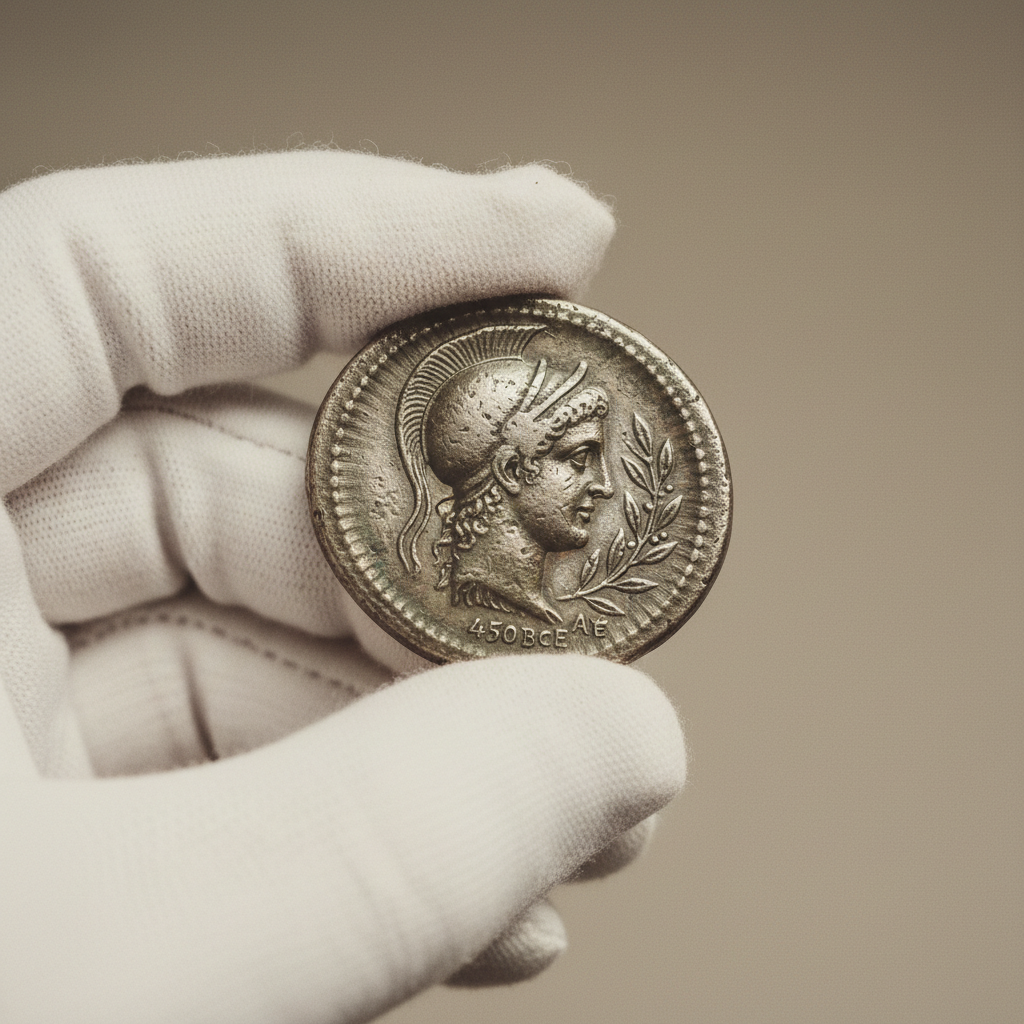
- Coins and Currency: Often valued for historical significance and rarity.
- Art and Antiques: Pieces that can appreciate over time, offering both aesthetic and financial rewards.
- Comics and Trading Cards: Increasingly popular with a vibrant market.
Researching and Valuing Collectibles
Before participating in an auction, it's crucial to research the items you're interested in. Understanding market trends, recent sales, and expert opinions can help you gauge the value of an item. Resources like online databases and collectors' forums are invaluable for gathering information.
Valuation is not just about the current market price; consider factors like the item's condition, provenance, and rarity. These elements can significantly impact an item's worth.
How to Participate in Collectibles Auctions
Once you're ready to bid, you can participate in auctions in several ways. Traditional in-person auctions are still popular, but online auctions have expanded access, offering convenience and a wider selection.

Here are some steps to get started:
- Register: Sign up with the auction house or platform hosting the auction.
- Set a Budget: Determine how much you're willing to spend and stick to it.
- Place Your Bid: Engage in the bidding process, whether live or online, and monitor the auction closely.
Strategies for Successful Bidding
Bidding can be competitive, so having a strategy is essential. One effective approach is to start with a strong opening bid to discourage competition. Alternatively, some bidders prefer to wait until the last minute to place their bid, a tactic known as "sniping."
Always be aware of the psychological aspects of bidding. It's easy to get caught up in the excitement, but maintaining a clear head and sticking to your budget is crucial.

After the Auction: Next Steps
If you win an item, familiarize yourself with the payment and shipping process. Ensure you understand any additional fees, such as buyer's premiums, which can affect the total cost.
Once you receive your collectible, proper care and storage are vital to maintaining its value. Consider professional appraisal for insurance purposes and keep detailed records of your purchase.
With this guide, you're well-equipped to dive into the world of collectibles auctions. Whether you're seeking investment opportunities or personal enjoyment, the thrill of the hunt and the satisfaction of a well-won bid await you.